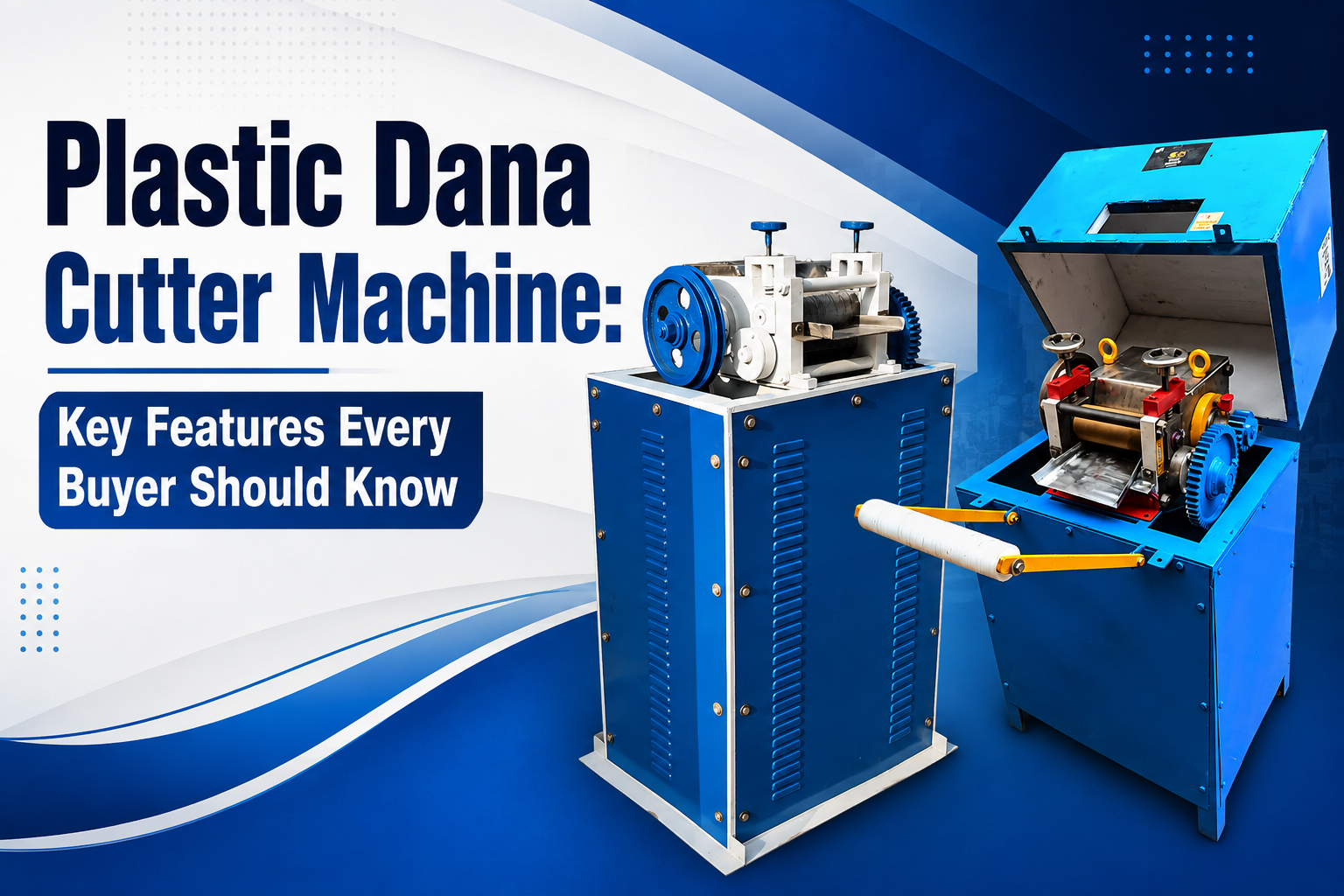
Choosing the right plastic dana cutter machine is one of the most important decisions for any plastic recycling or plastic pellet manufacturing business. A high-quality cutter machine ensures uniform pellet size, smooth production, reduced material waste, and improved overall efficiency. On the other hand, selecting the wrong machine can lead to inconsistent pellet cutting, frequent maintenance, and unnecessary downtime.
Whether you're starting a new recycling plant or upgrading your existing production line, understanding the essential features of a plastic dana cutter machine will help you make a smart investment. This guide covers everything buyers should know before purchasing a machine.
What is a Plastic Dana Cutter Machine?
A plastic dana cutter machine is used after the plastic extrusion process to cut continuous plastic strands into small, uniform plastic pellets (commonly called plastic dana or granules). These pellets are then used as raw material for manufacturing various plastic products.
The machine plays a crucial role in maintaining consistent pellet size, improving product quality, and increasing production efficiency. It is widely used in plastic recycling plants, plastic extrusion units, and plastic granule manufacturing facilities.
Key Features to Look For
Here are the most important features to consider.
1. Cutting Capacity
Cutting capacity, usually measured in kg/hr, determines how much material the machine can process in a given time. Machines are commonly available in ranges from around 100 kg/hr for smaller units to 500 kg/hr or more for high-volume operations. Match this figure to your daily production targets, undersizing leads to bottlenecks, while oversizing adds unnecessary cost.
2. Motor Power and Automation Grade
The cutter motor power (commonly 2 HP and above) determines how efficiently the blades cut through varying plastic thicknesses. Buyers should also check the automation grade, semi-automatic machines are cost-effective and widely used, while fully automatic models reduce manual intervention and are better suited for continuous, high-output operations.
3. Number and Quality of Blades
Blade count and blade material are critical to cutting precision and machine longevity. Machines with adjustable or sharpenable blades let you maintain cutting quality without dismantling the entire unit, a feature that saves significant downtime and maintenance cost over the machine's life.
4. Maximum Cutting Thickness
Every machine has a rated maximum cutting thickness (often around 5 mm). This spec tells you what kind of scrap the machine can handle - pipes, strands, sheets, or thicker extruded profiles. Always match this to the type of waste plastic your unit actually processes.
5. Roller Diameter and Build Quality
A larger roller diameter reduces maintenance frequency and improves cutting consistency, especially in machines designed for continuous reprocessing units. Sturdy body construction, precise alignment of moving parts, and quality bearings all contribute to a longer machine lifespan and fewer breakdowns.
6. Finish and Corrosion Resistance
A color-coated or otherwise treated finish protects the machine body from rust and wear, which matters in humid or high-dust recycling environments where machines run for long hours daily.
7. Compatibility with Plastic Types
Not every cutter handles every material equally well. Confirm the machine is rated for the specific plastics you process - PP, LD, HD, PPCP, ABS, HIMPAC, PVC, or other engineering-grade plastics - since blade design and motor power requirements vary by material hardness and flexibility.
8. After-Sales Support and Spare Parts Availability
Since blades and moving parts wear out over time, easy access to spares and responsive after-sales service is a practical, often overlooked feature. Buying from an established manufacturer reduces downtime risk significantly.
Why These Features Matter for Buyers
Choosing a plastic dana cutter machine isn't just about the upfront price. A machine with the right combination of cutting capacity, motor power, blade quality, and build durability will:
- Lower your per-kg processing cost over time
- Reduce unplanned downtime and maintenance expenses
- Deliver more consistent granule size and quality
- Scale with your production needs as your unit grows
Conclusion
A plastic dana cutter machine is an essential part of any plastic recycling or pellet manufacturing setup. The right machine ensures consistent pellet quality, smooth production, reduced waste, and long-term operational efficiency. Before making your purchase, carefully evaluate features such as blade quality, construction, production capacity, safety, maintenance requirements, and compatibility with different plastic materials.
If you're looking for a dependable and high-performance plastic dana cutter machine, Prakash Plastic Machinery offers robust, precision-engineered solutions designed to meet the needs of modern plastic recycling and manufacturing industries. With a focus on quality, durability, and reliable after-sales support, Prakash Plastic Machinery helps businesses improve productivity and achieve long-term success.
Frequently Asked Questions
1. What is a plastic dana cutter machine used for?
It is used to cut extruded plastic strands, pipes, or strips into small, uniform granules (dana) that can be reused in further plastic processing like extrusion, injection molding, or blow molding.
2. What cutting capacity should I choose for my recycling unit?
This depends on your daily production volume. Small units typically work well with 100 - 150 kg/hr machines, while larger operations may need 250 - 500 kg/hr capacity or higher.
3. Which plastics can be processed using a dana cutter machine?
Most machines handle PP, LD, HD, PPCP, ABS, PVC, and similar engineering plastics, though exact compatibility depends on the specific machine's blade design and motor power.
4. What is the difference between semi-automatic and fully automatic dana cutter machines?
Semi-automatic machines require some manual feeding or handling and are generally more affordable, while fully automatic machines handle more of the process independently, suiting continuous, high-volume production.
5. How often do the blades need maintenance or replacement?
Blade wear depends on usage hours and the type of plastic being cut. Machines with adjustable or sharpenable blades reduce the frequency of full replacements and make maintenance quicker and less costly.